What a driverless ride felt like to me
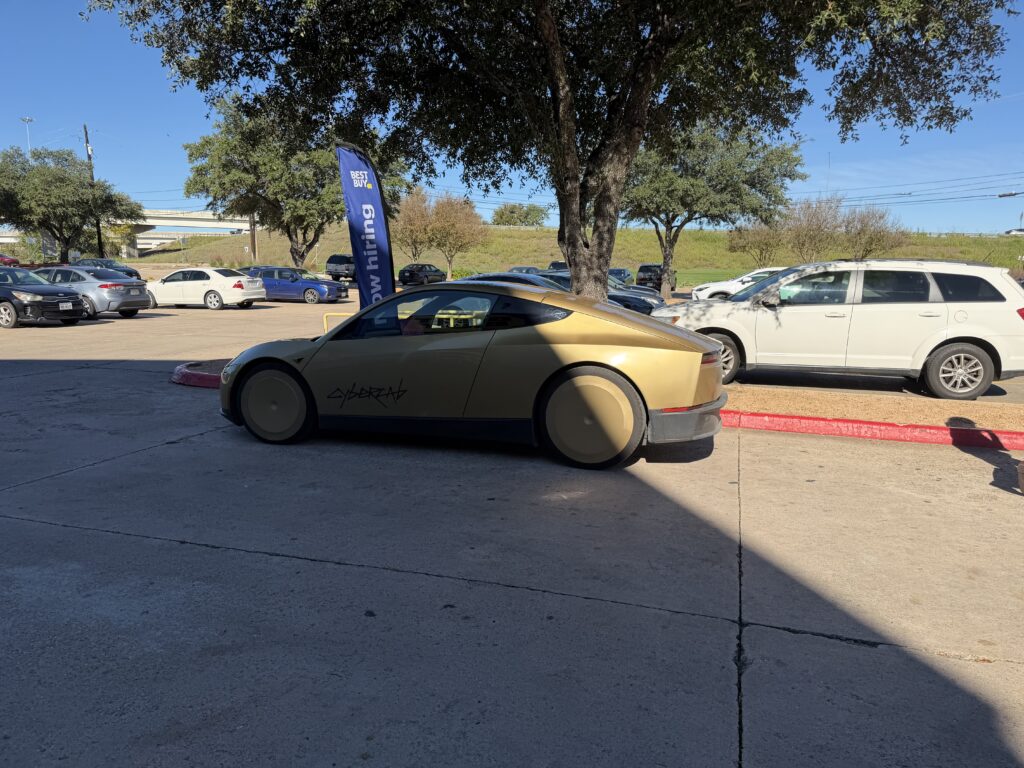
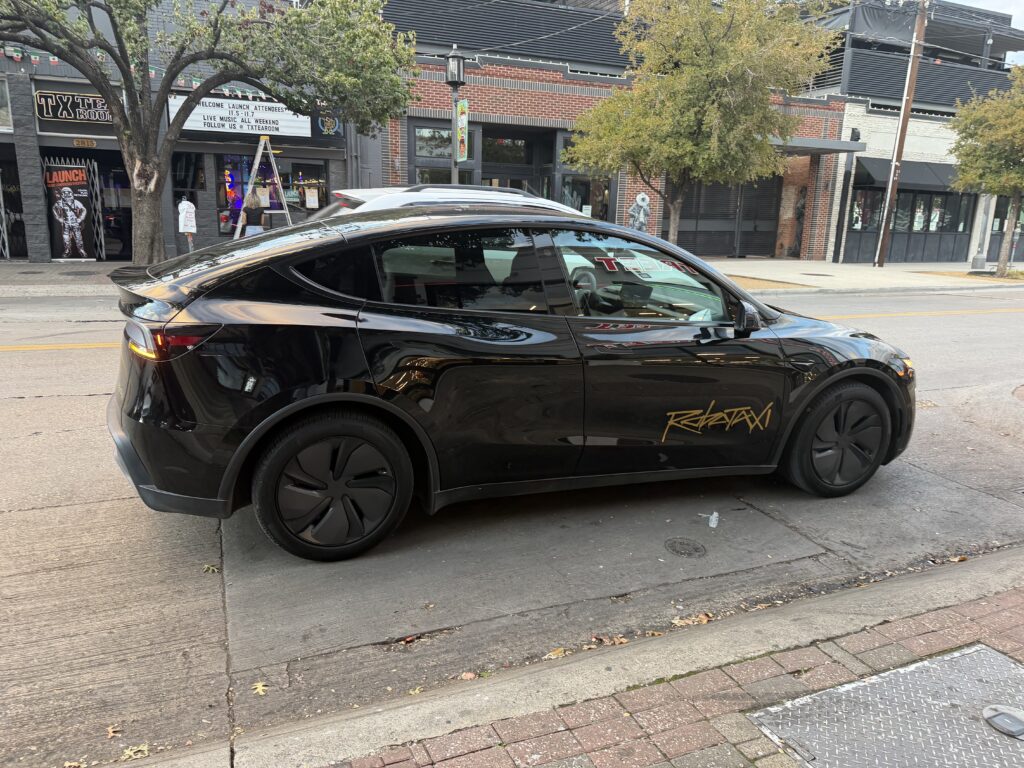
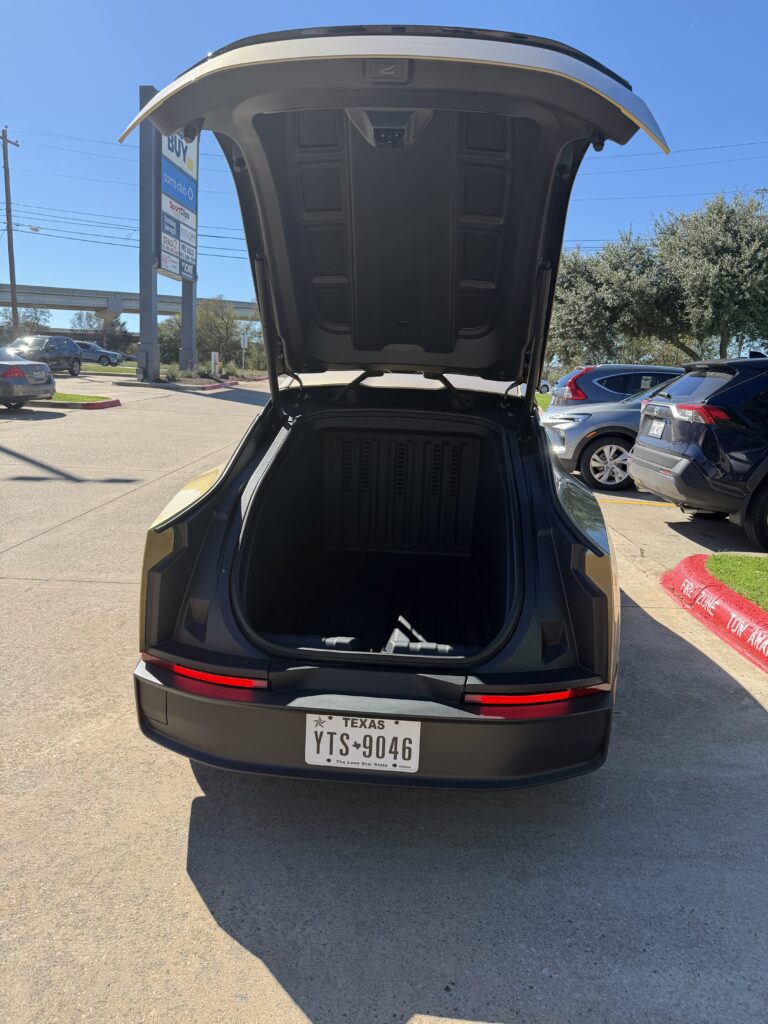
During our Texas trip, we tried Tesla Robotaxi rides and compared the experience of a gold two-seat Cybercab with a Model Y configured for four passengers. This is my account of those rides, not a guarantee of current vehicle availability or service coverage in every city.
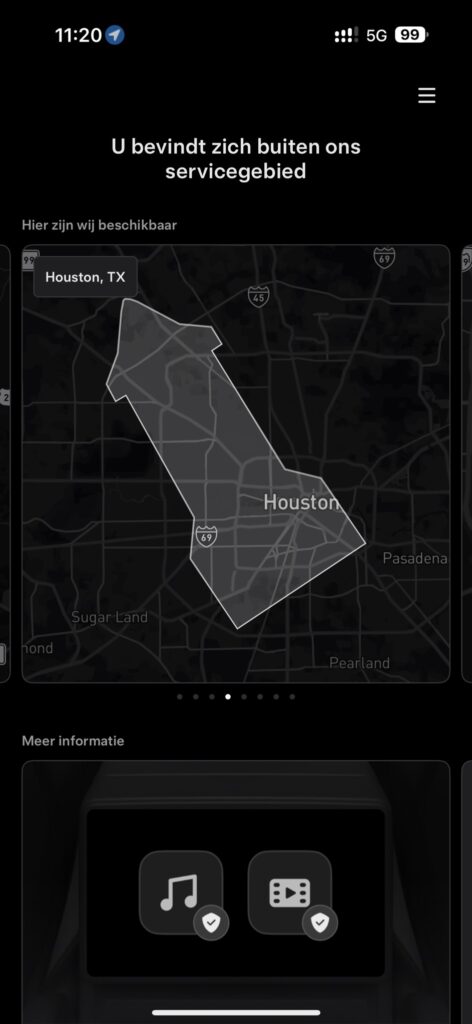
For current operating areas, booking conditions, and vehicle options, check Tesla’s official Robotaxi information and the app. The original article discussed Austin, Houston, and Dallas; a map or experience from one date shouldn’t be treated as a permanent service boundary.
Booking and pickup
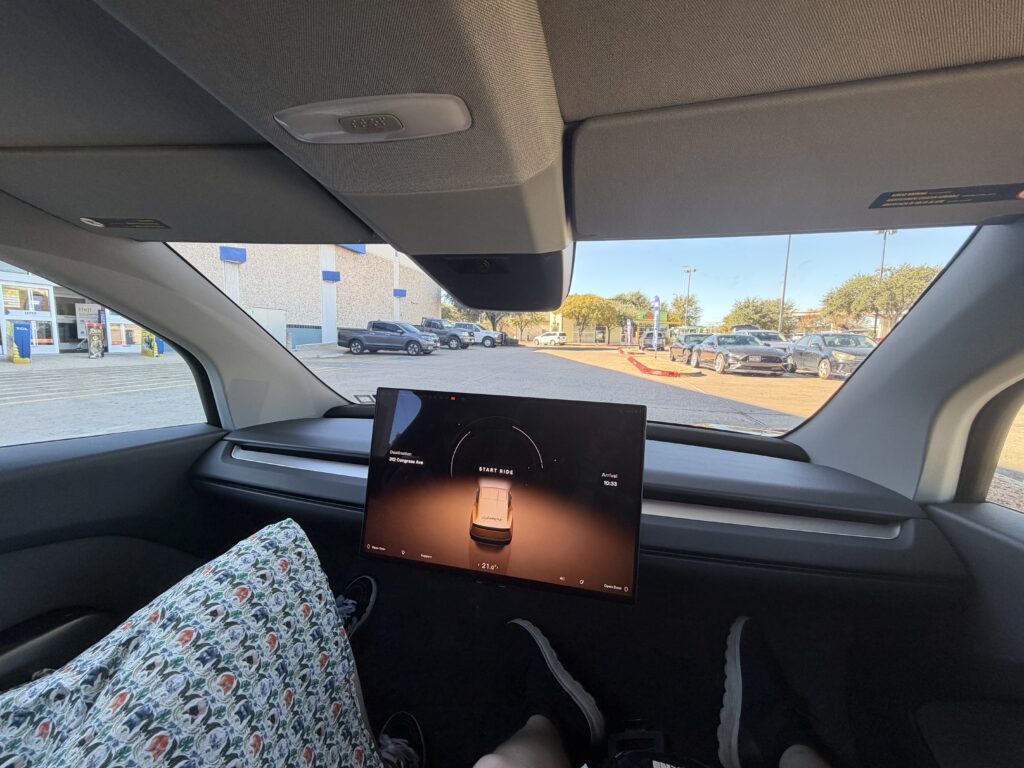
We entered a destination in the app and selected a permitted pickup point. Ours was often in a retail parking area. On our rides, the pickup countdown allowed seven minutes, with potential late-arrival charges described in the app.
The available vehicle mattered: a two-seat cabin doesn’t accommodate a group of four. Check the assigned vehicle and displayed terms rather than assuming you can always choose the model you want.
Inside the cabin
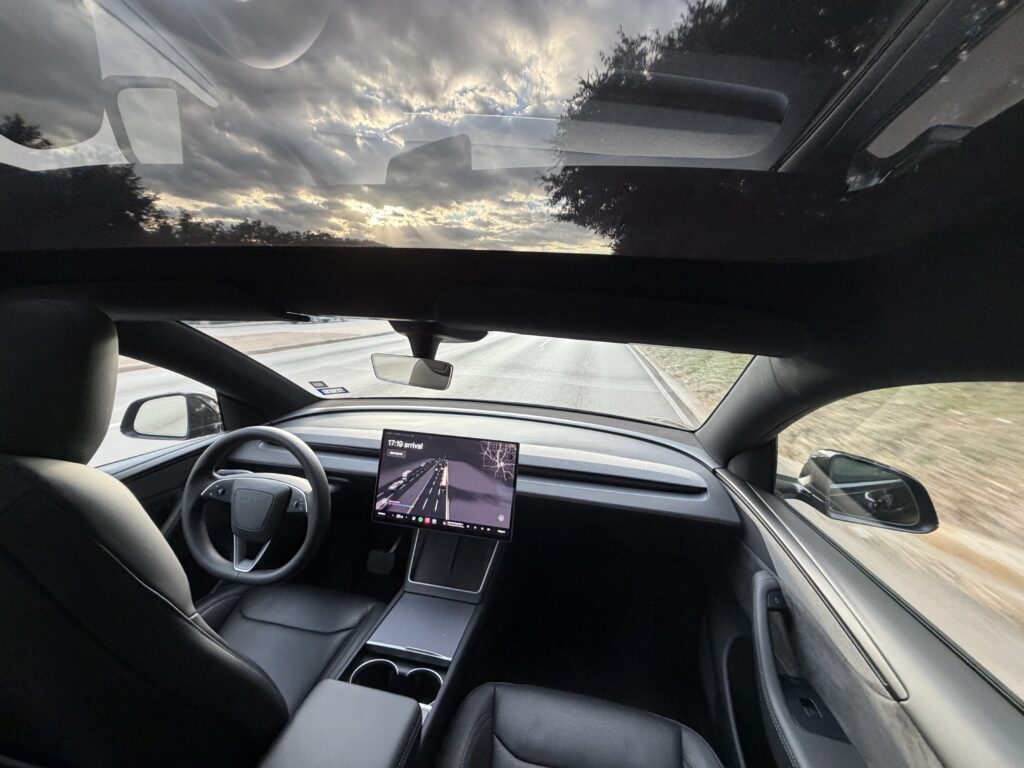
Our name appeared on the display, and the app handled access at pickup. The Cybercab’s lack of a steering wheel was the first striking detail. We explored music controls and asked Grok about nearby buildings and locations.
It couldn’t answer every vehicle-status question I asked. A conversational assistant’s answer also isn’t a substitute for the actual vehicle controls or support instructions.
How it handled ordinary traffic
Several rides soon felt surprisingly normal. I noticed early lane selection, responses to pedestrians, and a calm maneuver around a blocked intersection. On those rides, I didn’t experience the unexpected braking I’ve sometimes noticed in my own 2022 Model 3.
That comparison reflects a few personal journeys, not a controlled safety study or a claim that a privately owned Tesla has the same capabilities or permissions as the service vehicle.
Support during a Dallas ride
In busy traffic, a bus occupied our lane. After several unsuccessful attempts to move left, the vehicle waited and changed lanes when space appeared. Tesla Support contacted us during the ride to ask whether everything was all right.
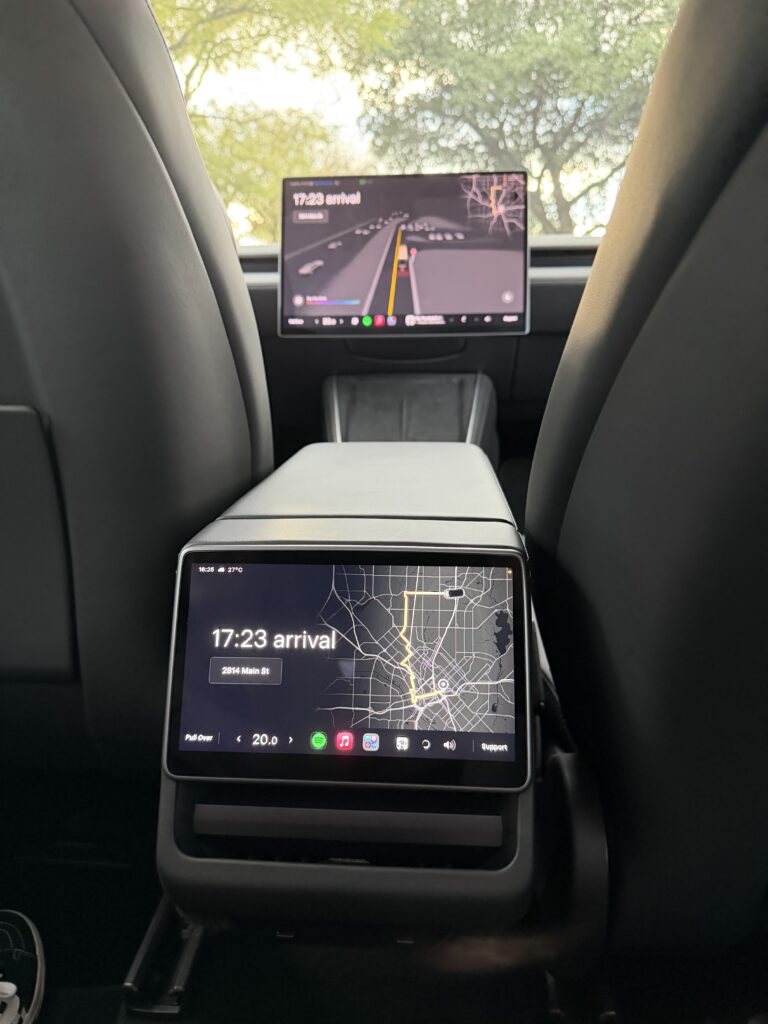
I don’t know whether that traffic situation triggered the call. The vehicle also offered a Pull Over control and a way to contact help.
An evening ride felt less smooth
Returning from downtown Dallas in a Model Y, we experienced firmer braking as lights changed and traffic reacted to an ambulance. The hazard lights activated during one abrupt slowdown.
I didn’t feel unsafe, but this journey was less comfortable than the earlier rides. One trip can’t establish whether darkness, traffic, or another factor caused the difference.
What I took away
Our ride toward downtown Dallas cost about $20 and let us leave our own car outside the center. That was our fare at the time, not a standard price promise.
We saw a Waymo but didn’t ride in it, so this isn’t a comparison test. What stayed with me was how quickly an unfamiliar experience began to feel ordinary—and how useful it was to distinguish that impression from broader claims about autonomous driving.
Images from the original article