Why I added storage
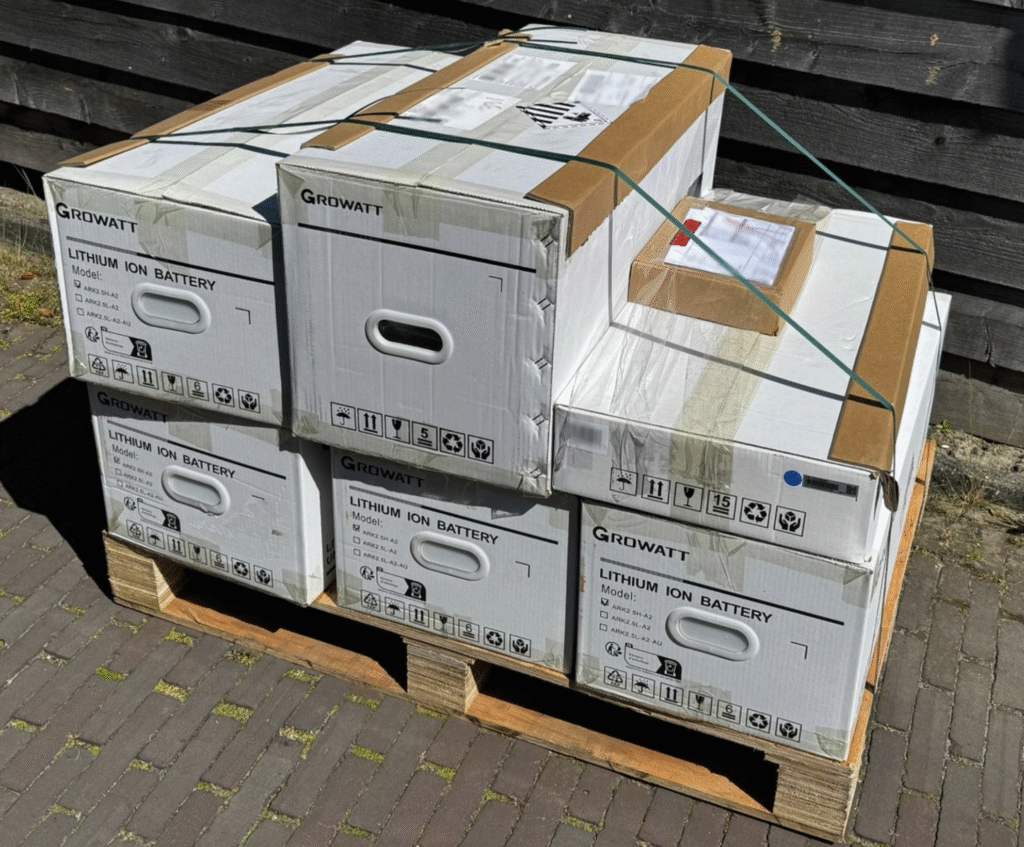
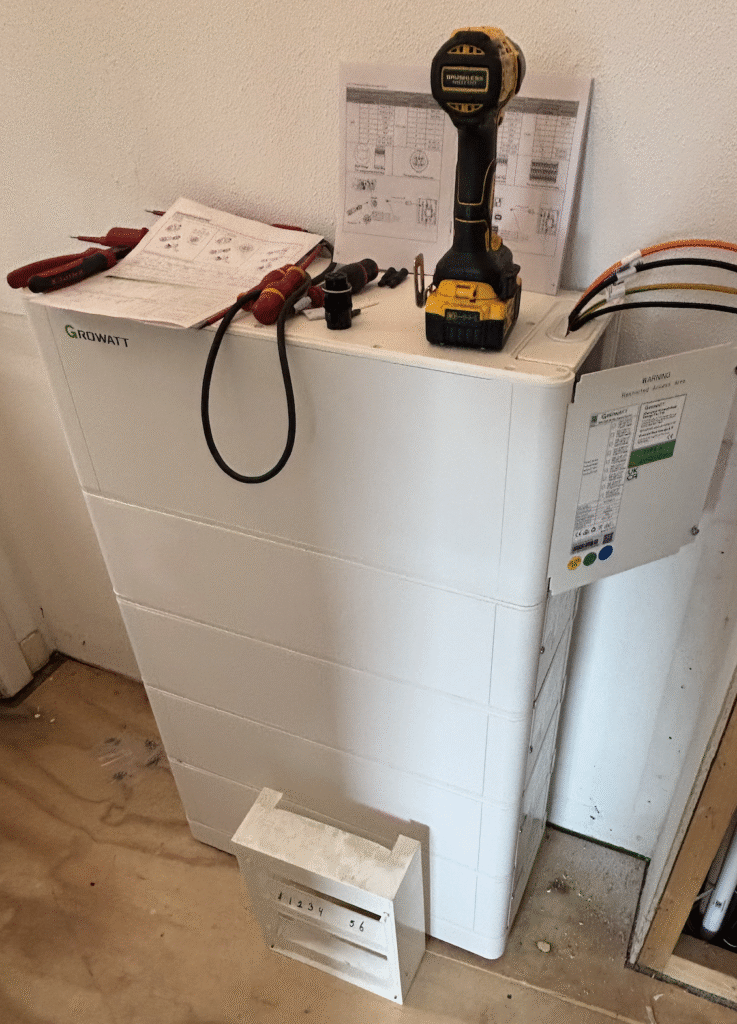
In July 2025, I described adding a Growatt ARK battery stack to a solar installation with eight panels and a MIN 3600TL-XH inverter. The goal was to use more of my own solar production and reduce exports.
The system was described as 10 kilowatts, but storage capacity is measured in kilowatt-hours (kWh). Power in kW describes how quickly energy moves. Four modules gave a nominal capacity around 10 kWh; usable capacity and allowed power depend on the exact equipment.
Measure before choosing capacity
I used a smart meter and a P1 reader to understand demand. Annual consumption divided by 365 gives an average day, but seasonal patterns and overnight demand matter more for sizing than that single average.
The original formula multiplying panel watt-peak by the electricity price was incorrect. Estimate energy from system capacity and a location-specific yield, then apply the relevant tariffs to evaluate money. Account for losses, reserve settings, and battery degradation.
Compatibility was the first challenge
The exact inverter suffix, battery generation, controller, firmware, and metering arrangement matter. Don’t mix modules or infer compatibility just because both products say Growatt. Use the manufacturer’s documentation and supplier confirmation for the complete system.
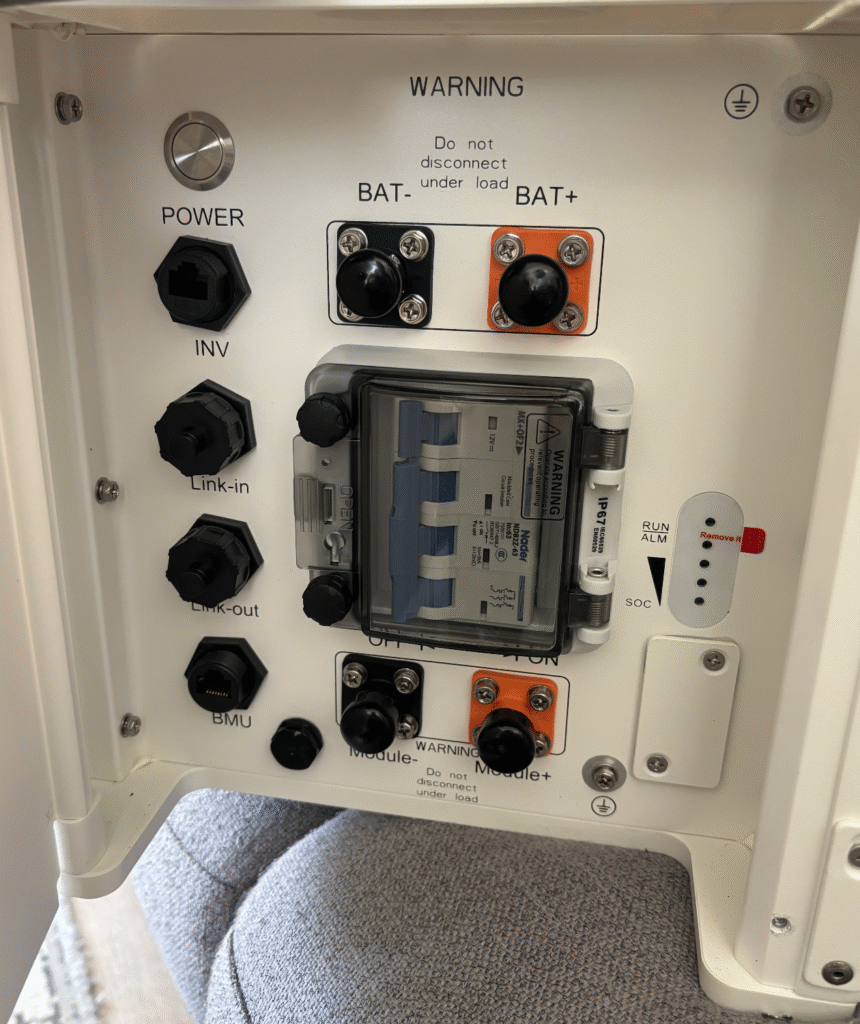
This is a personal project account, not a substitute for a qualified installer’s electrical design, protection checks, or local installation requirements. High-voltage battery wiring and isolation need the correct equipment and procedures.
Two faults complicated commissioning
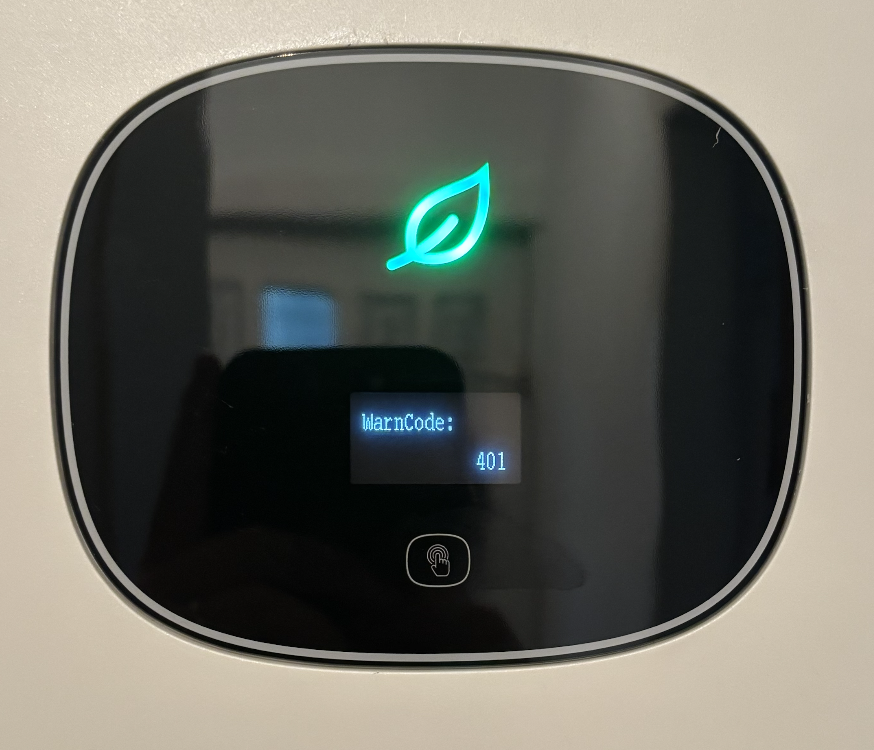
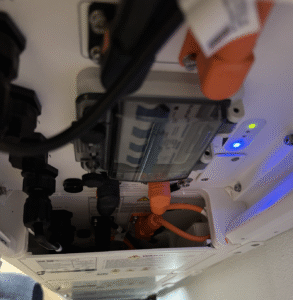
The inverter’s display control didn’t respond correctly, and the supplier replaced it. A separate communication problem remained, associated in my setup with a 401 error and the external meter.
After reviewing the wiring and configuration, I found that replacing the faulty meter resolved the communication problem. That outcome doesn’t establish that every 401 error means the meter is defective.
Meter settings aren’t universal
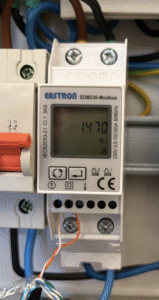
My notes recorded an Eastron SDM230 Modbus meter and serial settings including address 1, 9600 baud, and no parity. Treat those as a record of my setup, not the correct values for every firmware or inverter.
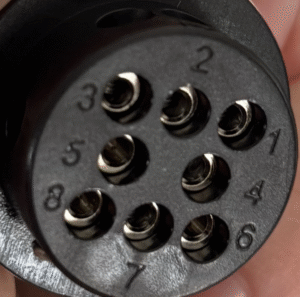
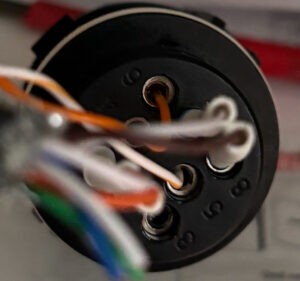
Follow the exact manuals for ports, polarity, cable length, grounding, and commissioning. The old pin numbers, default-password formula, and export-limit instructions shouldn’t be copied blindly into another installation. A meter communication failure is not fixed by randomly changing grid-export controls.
What the early results showed
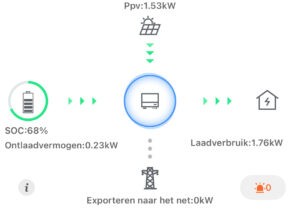
During several sunny July weeks, I reported little grid import and minimal export. That doesn’t establish year-round independence or a measured payback period. Winter generation, tariffs, installation cost, and backup-power requirements can change the outcome.
The original FAQ also contained outdated Dutch net-metering claims. The official Dutch explanation gives January 1, 2027, as the end date. Check your own contract and local rules; a home battery isn’t automatically profitable under every tariff.
Images from the original article